


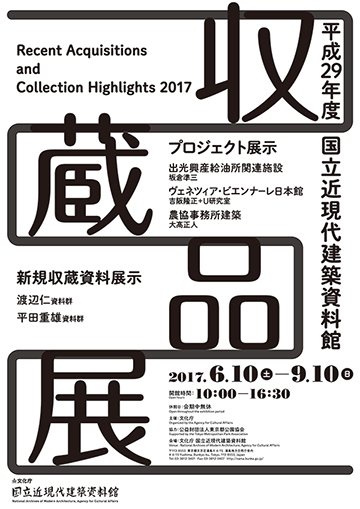
平成29 年度国立近現代建築資料館収蔵品展
 |
2017.6.10[土]-9.10[日] |
|---|
『平成29年度国立近現代建築資料館収蔵品展』展は終了しました。
文化庁国立近現代建築資料館では、これまでに収蔵資料のうち坂倉準三資料(平成25年度)、吉阪隆正+U研究室資料(平成27年度)、大髙正人資料(平成28年度)を中心に、それぞれの建築家の足跡をたどる内容の展覧会を開催してきました。しかしながら、当館のアーカイブズには、既に展示した資料の他にその何倍もの資料があり、膨大な情報が蓄積されています。そこで、このたびの収蔵品展では、新たな試みとして、過去の展示では十分に全容を紹介するに至らなかった3つの建築プロジェクトに焦点を当てた展示を行います。
〈プロジェクト展示〉
1 坂倉準三資料より「出光興産給油所関連施設」
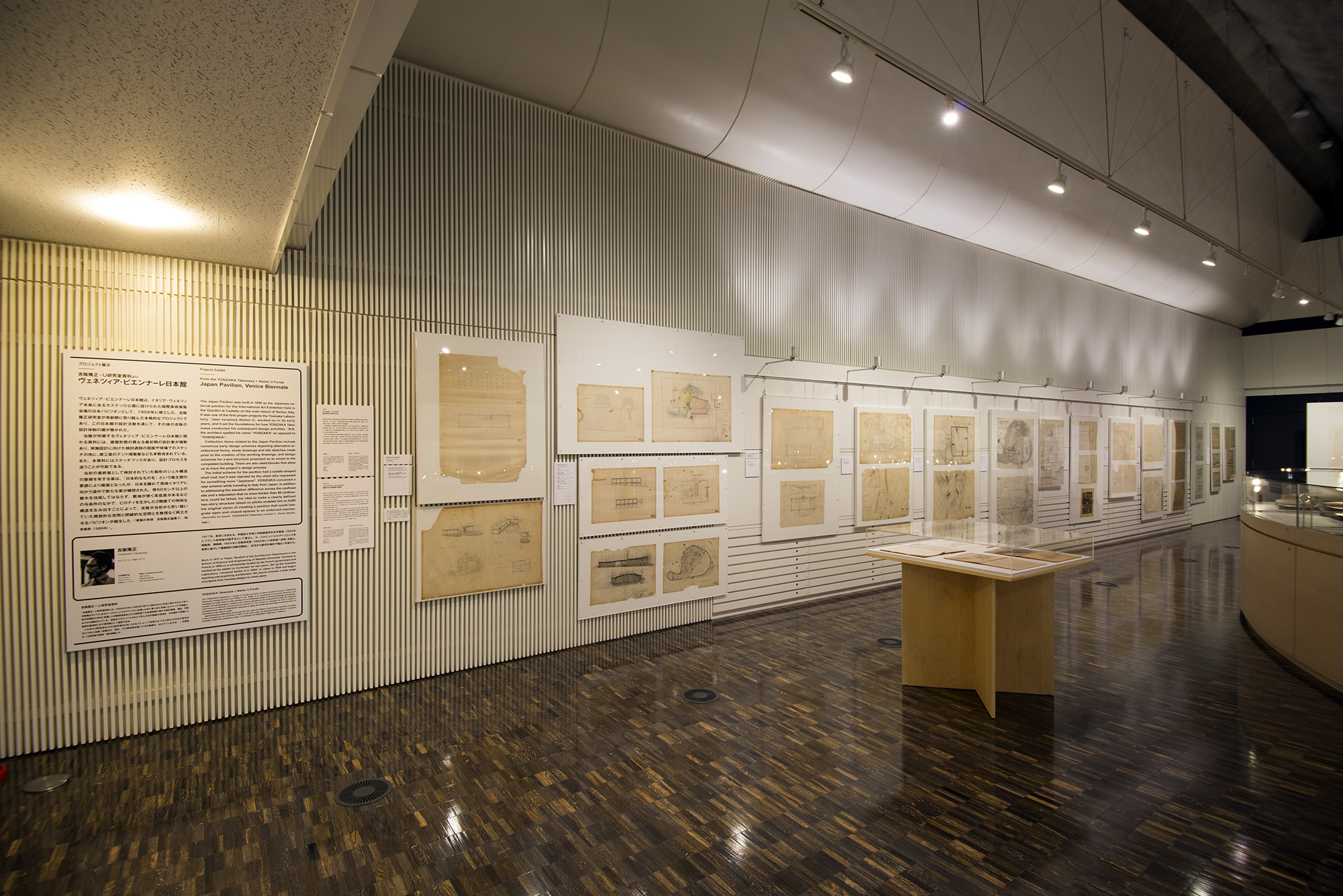
2 吉阪隆正+U研究室資料より「ヴェネツィア・ビエンナーレ日本館」
3 大髙正人資料より「農協事務所建築」
これらのプロジェクトは、戦後の建築界を牽引した3人の建築家たちにとっても、我が国の近代建築運動全体の展開にとっても、その全容を把握すべき重要なものです。プロジェクトで試みられたさまざまな取り組みは、その後の建築家たちの設計活動の礎となり、また、周囲に多大な影響を及ぼしました。代表的な図面だけでは把握することが困難な設計の方法論や建築家たちの挑戦の軌跡を、当館が保有する数々の資料を通して幅広く紹介します。
併せて、〈新規収蔵資料展示〉として渡辺仁および平田重雄の建築資料を初めて紹介します。これらの資料群は、当館の収集方針の改正(平成28年12月)に基づく受け入れ対象の拡大によって収蔵に至ったものです。図面だけでなくスケッチブックや原稿なども含むものであり、ふたりの建築家の発想のプロセスやその設計思想を明らかにする上で価値を有すると考えられるものです。
展覧会チラシ(PDF)
主 催:文化庁
協 力:公益財団法人東京都公園協会
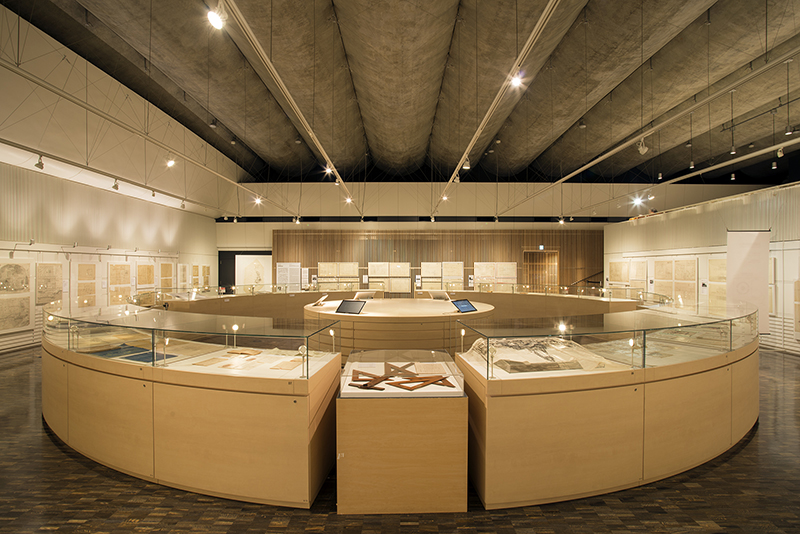
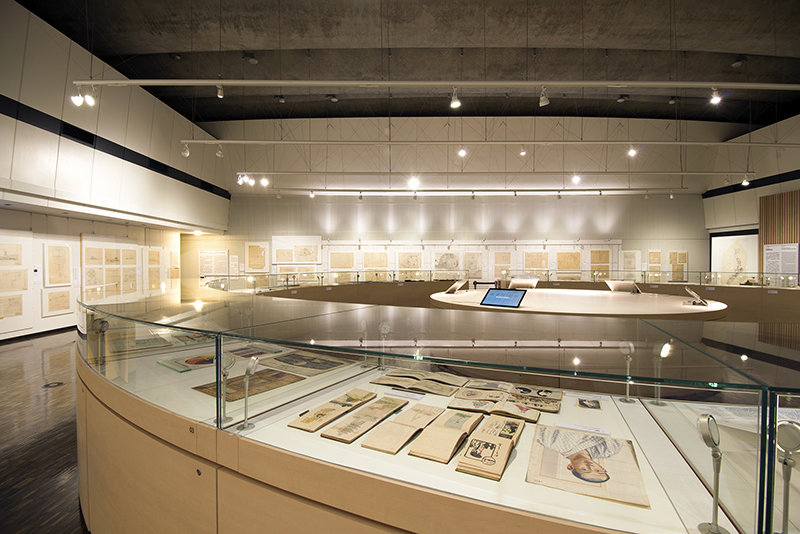
会場写真
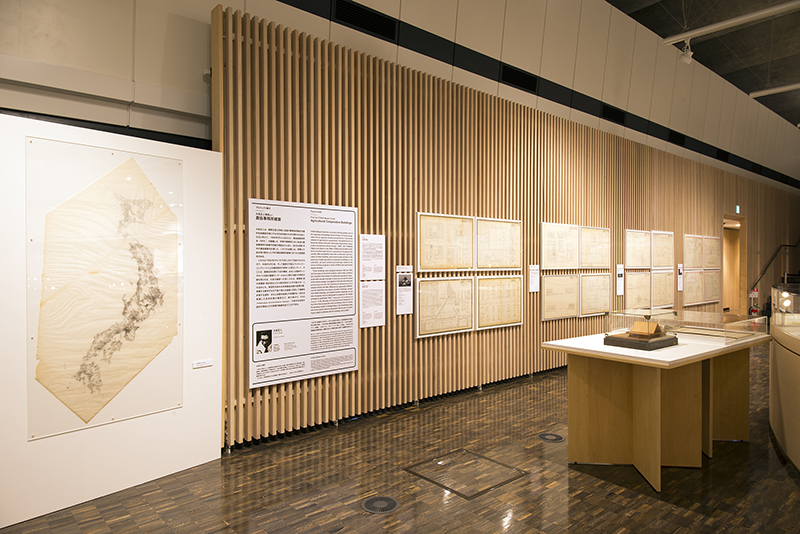
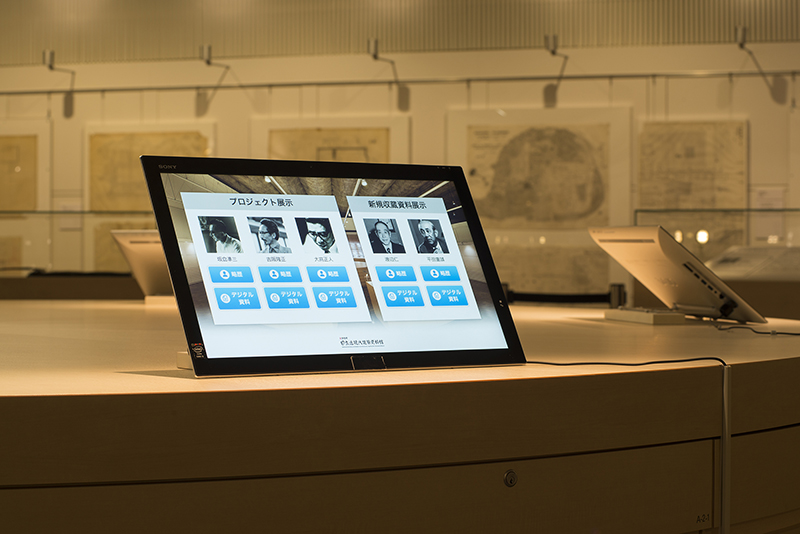
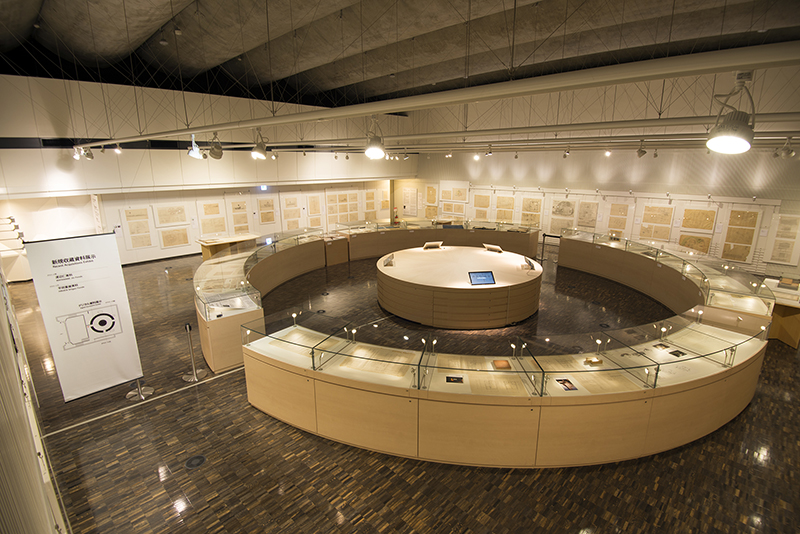
入場方法
[ 展覧会のみ閲覧 ](平日のみ利用可能)湯島地方合同庁舎正門よりご入館ください。 入館無料
[ 都立旧岩崎邸庭園と同時観覧 ]都立旧岩崎邸庭園よりご入館ください。 ただし旧岩崎邸庭園の入園料(一般)400円が必要です。
アクセス図録
「平成29年度国立近現代建築資料館収蔵品展」展 図録
目次
02 ごあいさつ
05 はじめに
06 プロジェクト展示
出光興産給油所関連施設 坂倉準三資料
ヴェネツィア・ビエンナーレ日本館 吉阪隆正+U研究室資料
農協事務所建築 大髙正人資料
24 新規収蔵資料展示
渡辺仁資料
平田重雄資料
The Development of Modern Architecture in Japan as Seen in Historical Documents
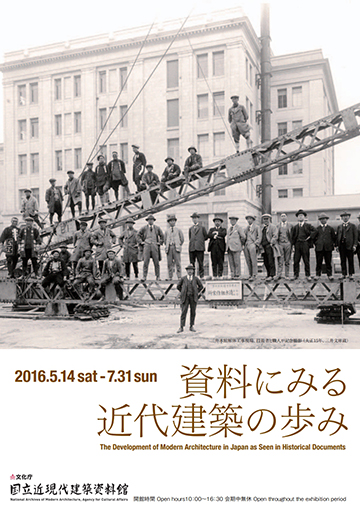 |
2016.5.14[sat]-2016.7.31[sun] |
|---|
The Meiji, Taisho, and Showa periods were times of great change in Japan.
Architecture, too, was pressed to embrace construction techniques introduced from the West. The architects and engineers who resolutely took on this challenge quickly absorbed the new techniques and managed to successfully carry out the modernization of Japan’s architecture. They then went on to create world-class works of architecture after World War II. In what ways did technical innovation take place in this process, and how did these changes reshape architecture in Japan? This exhibition sheds light on these questions by tracing the development of Japanese architecture through a presentation of precious historical materials preserved by various construction companies and universities.
Venue
National Archives of Modern Architecture, Agency for Cultural Affairs 4‐6‐15 Yushima, Bunkyo-ku, Tokyo
Entry
There are two ways to enter the National Archives of Modern Architecture.
To view only the exhibition (possible only on weekdays):
Please enter via the main gate of the Yushima
Local Common Government Offices (Admission: Free).
To view both the exhibition and Kyu-Iwasaki-tei Gardens:
Please enter via the Kyu-Iwasaki-tei Gardens
(Admission: 400 yen).
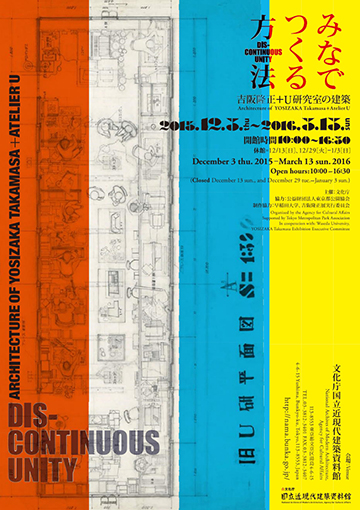
DIS-CONTINUOUS UNITY Architecture of YOSIZAKA Takamasa + Atelier U
 |
DIS-CONTINUOUS UNITY |
|---|
After finishing his studies in the fields of housing and the research into traditional East Asian houses at Waseda University, in 1950 YOSHIZAKA Takamasa (1917-1980) went to Paris to work at Le Corbusier’s atelier for two years.
Upon returning to Japan, he established the Atelier YOSIZAKA Takamasa (renamed “Atelier U” in 1964). All of their designs of private residences, school, governmental and other public buildings, as well as work in the realm of town planning, reflected the atelier’s questioning stance toward the position of architecture in society. The concept of “DISCONT”, an abbreviation for “Discontinuous Unity”,is the fundamental idea behind YOSIZAKA’s philosophy in terms of individual and collective organization, formative design, and design methods. It is at once a principle that reflects the thematic root of this exhibition.
Displayed in this exhibition are plans, sketches, texts and photographs that document the process of creating shapes through a dialogues between “language” and “form”. While walking around actual drafting tables, furniture, architectural fittings and other objects, visitors can experience the generation of architecture as realized in collaboration between several people of great individuality.
Catalog
DIS-CONTINUOUS UNITY
Contents
02 Foreword
04 In Search of Methods for Creating as a Discontinuous Unity – The Architecture of YOSIZAKA Takamasa + Atelier U written by NAKATANI Norihito
07 Part1 From a leaf to an Umbrella – House
10 Houses written by UEDA Makoto
17 Part2 From Words to Forms, From Forms to Words – Form
18 Forms written by FUJIMORI Terunobu
31 Part3 DISCONT – Organization
34 Discontinuous Unity written by SUZUKI Makoto
41 Part4 the Fifth Dart – Civilization
48 Forms of Japan and the World in the Twenty-First Century – A Question of Perspective written by TONUMA Koichi
50 On the YOSIZAKA Takamasa + Atelier U Architectural Fonds written by YAMANA Yoshiyuki
53 Chronology:Atelier U Members and Archived Project Items
54 Chronology :YOSIZAKA Takamasa + Atelier U
Venue
National Archives of Modern Architecture, Agency for Cultural Affairs 4‐6‐15 Yushima, Bunkyo-ku, Tokyo
Entry
There are two ways to enter the National Archives of Modern Architecture.
To view only the exhibition (possible only on weekdays):
Please enter via the main gate of the Yushima
Local Common Government Offices (Admission: Free).
To view both the exhibition and Kyu-Iwasaki-tei Gardens:
Please enter via the Kyu-Iwasaki-tei Gardens
(Admission: 400 yen).
Collection Policy
Collection Policy
The Agency for Cultural Affairs collects materials that are deemed to be relevant to our nation’s modern architecture; and, among the materials that concern architectural works or architects that have been held in high regard domestically and internationally or have marked an epoch, are deemed to reflect or directly accompany compositions that carry exceptional artistic or technical value; and are deemed to face a high risk of being lost and to thus require the immediate protection of the state.
Message
Architecture, which embodies our daily lives, the land and climate, and our cultures of living, is tied strongly to society. Japanese architecture, particularly from the age of modernism and onwards, has followed a unique course of development through which it has fused together traditional wooden architecture with architectural cultures of the West.
The National Archives of Modern Architecture was born in order to have more people know about the exceptional architectural culture of Japan and to pass the culture onto future generations.
Architecture cannot be created single-handedly. Something of value can only be created when the minds of the client, designer, builders, and the various other associated people and organizations come together as one through engaging in extensive conversations with each another. Plans, models, and sketches serve as the mediums for conveying ideas in these conversations. Architectural materials such as these serve as precious historical sources for transmitting an understanding of how the culture of architecture has developed in Japan.
I sincerely wish that the culture of Japanese architecture will continue to be advanced further to develop greater richness as we learn from the accumulated history of our predecessors.
Tadao Ando